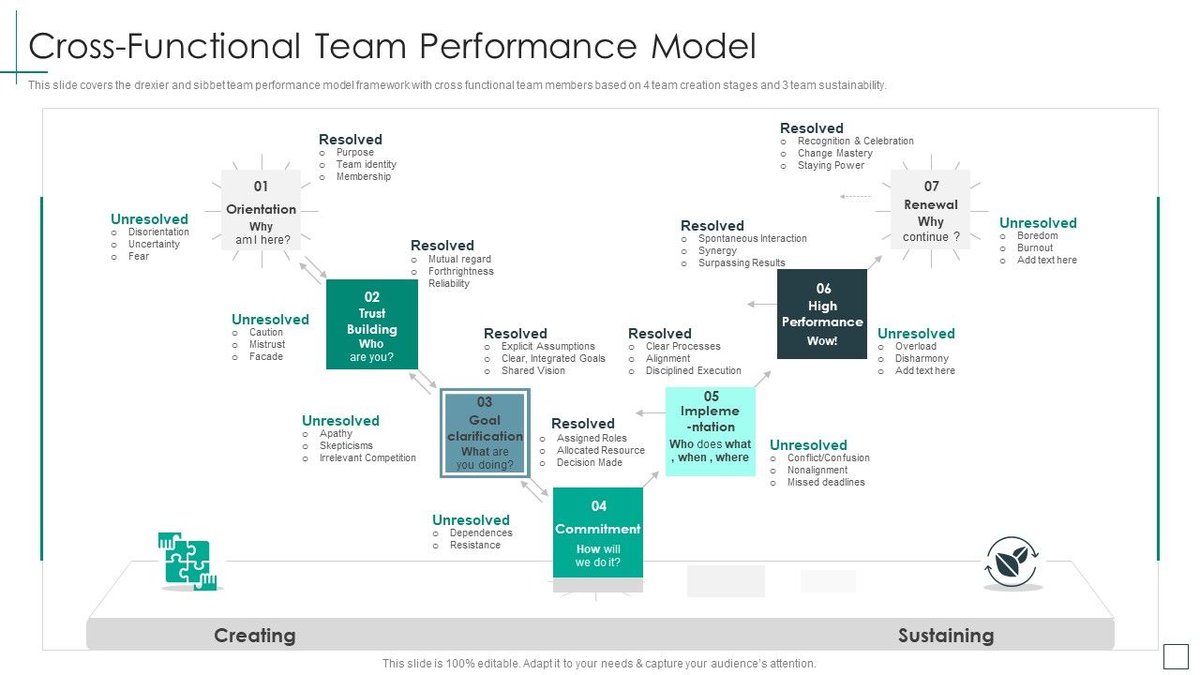
In today's fast-paced business world, simply having talented individuals isn't enough. True competitive advantage stems from how those individuals work together. That's where Cross-Functional Team Collaboration for Breakthroughs comes into play—it's the strategic engine driving innovation, solving complex problems, and ultimately accelerating growth for any forward-thinking organization. This isn't just about sharing a document; it's about systematically dismantling silos and knitting together diverse expertise to achieve extraordinary outcomes.
This guide will show you how to cultivate a collaborative environment that doesn't just improve efficiency, but consistently sparks genuine breakthroughs.
At a Glance: Key Takeaways for Cross-Functional Collaboration
- Breaks Down Barriers: Unites different departments and expertise to work towards shared goals.
- Boosts Innovation: Leverages diverse perspectives to generate fresh ideas and creative solutions.
- Enhances Efficiency: Prevents duplicated work and communication breakdowns, speeding up project delivery.
- Improves Decision-Making: Combines varied insights for more robust and informed choices.
- Increases Agility: Helps your organization adapt quickly to market changes and new challenges.
- Engages Employees: Makes team members feel valued, connected, and more invested in shared success.
- Requires Leadership: Demands clear communication, conflict resolution, vision, and empathy from leaders.
- Overcomes Hurdles: Addresses common issues like misaligned priorities and resource allocation with proactive strategies.
Beyond Silos: Why Cross-Functional Collaboration Isn't Just a Buzzword
Think of your organization as a finely tuned orchestra. Each section—strings, brass, percussion—is essential and highly skilled. But if they only practiced their own parts in isolation, the result would be chaos, not a symphony. Cross-functional collaboration is the conductor, ensuring every section understands the full score, plays in harmony, and contributes to a magnificent whole.
This approach consciously designs your organization to prevent common pitfalls like operational silos, communication breakdowns, and wasteful duplicate work. By bringing together people from different teams or areas of expertise from the very beginning, you unite efforts and ensure everyone is pulling in the same direction.
The benefits are far-reaching and impactful:
- Sparking Innovation: When engineers, marketers, and UX designers sit at the same table, they see problems from entirely new angles. This diverse expertise is a crucible for novel ideas and innovative solutions that isolated teams often miss. You're not just iterating; you're inventing.
- Enhanced Agility: The market shifts constantly. Cross-functional teams are inherently more adaptable, able to pivot quickly and respond to changes. By merging decision-making processes and eliminating departmental handoffs, especially when integrating Agile frameworks, your time to market dramatically decreases. Speed isn't just a nice-to-have; it's a competitive imperative.
- Superior Decision-Making: A broader range of insights means better decisions. Instead of relying on a single perspective, you benefit from a holistic view, understanding potential impacts across the entire business before acting.
- Increased Employee Engagement: When individuals from different departments collaborate, they feel more valued, connected, and understood. This sense of shared purpose and contribution significantly boosts morale and fosters a more inclusive work environment. It's a powerful tool for retention and developing your talent.
- Boosted Efficiency and Productivity: By leveraging specialized skills efficiently, cross-functional collaboration optimizes resource utilization. This results in improved outcomes, less rework, and faster completion of projects.
In essence, cross-functional collaboration isn't just about teamwork; it's about building a more resilient, innovative, and growth-oriented business model.
Building Your Breakthrough Team: Practical Steps for Implementation
Transforming your organization into a collaborative powerhouse requires a structured approach. It's not enough to simply say, "Let's collaborate!" You need clear processes, the right tools, and a supportive culture. Here's how to lay that groundwork:
1. Define Clear Objectives and Goals
Before you even think about forming a team, ask the fundamental questions: "What are we trying to accomplish together?" and "What does collaboration mean for this specific goal?" Set a shared, crystal-clear objective that all participating teams can rally around. This singular purpose clarifies direction, minimizes misalignment, and provides a powerful North Star for everyone involved. Without it, you're just assembling a group of people, not a cohesive unit.
2. Establish Open Communication Channels
Effective collaboration hinges on transparent and consistent communication. Develop specific methods for information sharing that allow open access to updates, progress reports, and real-time feedback. Think beyond email. Utilize platforms designed for collaborative work where discussions are visible, decisions are documented, and everyone can easily contribute. A clear communication plan outlining when and how teams will connect (daily stand-ups, weekly syncs, dedicated chat channels) is crucial for building trust and ensuring everyone stays informed.
3. Assign Clear Roles and Responsibilities
In a cross-functional team, ambiguity is the enemy of efficiency. Ensure every team member understands their specific role and what's expected of them. Tools like a RACI matrix (Responsible, Accountable, Consulted, Informed) are invaluable here. They prevent overlap, clarify who owns what, and ensure accountability without stifling initiative. When everyone knows their lane, they can drive forward with confidence.
4. Leverage Technology Tools
The right technology can be a force multiplier for cross-functional collaboration.
Utilize collaborative tools such as:
- Project Management Software: Platforms like Asana, Trello, or Jira connect teams, streamline communication, track progress, and reduce duplicated work by providing a single source of truth for tasks and timelines.
- Shared Digital Workspaces: Tools like Google Workspace, Microsoft 365, or Slack facilitate real-time document collaboration, instant messaging, and shared file storage, making information accessible to everyone, everywhere.
- Idea Management Software: For true breakthroughs, you need a system to capture, evaluate, and prioritize diverse insights. This type of software centralizes the entire innovation funnel, ensuring no brilliant idea gets lost in the shuffle. It helps you collect raw thoughts and refine them into actionable Learn about generated ideals efficiently.
5. Hold Regular Check-Ins
Consistency builds momentum. Schedule frequent, brief meetings to track progress, discuss roadblocks, and address issues early before they escalate. These check-ins reinforce shared goals, keep everyone aligned, and provide a forum for celebrating small wins and adjusting course as needed. They don't have to be long, but they must be consistent.
6. Foster a Collaborative Culture
Collaboration isn't just a process; it's a mindset. Encourage knowledge sharing and open dialogue through dedicated brainstorming sessions, workshops, and informal brown bags. Make collaboration a natural part of daily work, not an add-on. Crucially, cultivate psychological safety where experimentation is encouraged, and failure is seen as a learning opportunity, not a punishable offense. When people feel safe to take risks, innovation flourishes.
7. Embrace Diverse Perspectives
Actively encourage each department to share their unique insights and challenges. Often, the most innovative and well-rounded solutions emerge from the intersection of seemingly disparate viewpoints. This requires listening, empathy, and a genuine curiosity about how others see the world.
8. Set Collaborative Goals and KPIs
Align your objectives with company-supported key performance indicators that explicitly require cross-departmental effort. When individual and team success is tied to collaborative achievements, everyone is incentivized to work together. These aren't just departmental KPIs, but shared metrics of success for the collaborative project itself.
9. Invest in Cross-Training
Provide opportunities for team members to learn about the functions and challenges of other departments. This not only builds empathy but also enhances mutual understanding, making it easier to anticipate needs and communicate effectively across specialties. A developer who understands marketing's campaign launch process can build a more supportive product, for instance.
10. Appoint a Project Lead
For any cross-functional initiative, designate a clear leader. This individual is responsible for overseeing coordination, making key decisions when consensus isn't possible, providing guidance, and ensuring accountability across all participating teams. They act as the central nervous system, keeping the project on track.
11. Celebrate Wins Together
Recognize and celebrate group achievements publicly. This reinforces the value of teamwork, boosts morale, and strengthens the bonds between disparate teams. Acknowledging collective success validates the effort and encourages future collaboration.
Leading the Charge: Essential Skills for Cross-Functional Success
Effective cross-functional leaders aren't just managers; they are orchestrators, navigators, and motivators who can unite diverse teams toward a common purpose. They possess a unique blend of skills that transform potential friction into productive synergy.
Here are the leadership qualities that truly make a difference:
- Exceptional Communication: Leaders must facilitate candid, clear communication, ensuring everyone understands the shared goal and their role within it. This means actively listening, articulating vision clearly, and mediating discussions to keep them constructive.
- Adept Conflict Resolution: Differences of opinion are inevitable when diverse perspectives meet. A skilled leader navigates these differences and resolves disputes smoothly, always re-centering the discussion on the shared goals. They depersonalize conflict and focus on finding solutions that serve the project's best interest.
- Visionary Thinking: Leaders must be able to align teams with a compelling common long-term goal, providing a clear purpose that transcends individual departmental targets. They paint the bigger picture, showing how each piece contributes to the larger strategic objective.
- Empathy: Understanding and appreciating each team's unique challenges, priorities, and contributions is paramount. Leaders who lead by example, demonstrating empathy, build trust and cooperation across the board. They recognize that different teams speak different "languages" and work to bridge those gaps.
These leaders don't just assign tasks; they inspire collaboration, mediate differences, and continuously articulate the "why" behind the cross-functional effort.
Navigating the Hurdles: Common Challenges and Smart Solutions
While incredibly powerful, cross-functional collaboration isn't without its challenges. Recognizing these potential roadblocks beforehand allows you to proactively implement solutions.
1. Misaligned Priorities
- The Challenge: Different departments naturally have their own targets and incentives, which can sometimes conflict with a shared cross-functional goal.
- The Solution: Combat this with clear communication about the overall organizational goals and how the cross-functional project directly contributes to them. Hold regular alignment meetings where leaders reiterate the strategic importance and demonstrate the long-term benefits of collaboration. Ensure incentives are adjusted where possible to reward collaborative success.
2. Communication Breakdowns
- The Challenge: Miscommunication, information silos, or a lack of consistent updates can lead to delays, misunderstandings, and duplicated effort.
- The Solution: Establish explicit, clear channels for updates, feedback, and questions. This might involve dedicated chat groups, shared documentation platforms, or structured daily/weekly syncs. Proactively ask for and provide feedback to ensure consistent information flow and prevent assumptions from taking root.
3. Resource Allocation Conflicts
- The Challenge: Teams may find themselves competing for limited resources, whether it's budget, personnel, or even just time from key individuals.
- The Solution: Leadership must prioritize cross-functional projects at an organizational level, not just within individual departments. Ensure fair access to resources by clearly defining the project's resource needs upfront and allocating them transparently. This often requires senior management buy-in to protect the project's critical resources.
4. Change Management and Political Dynamics
- The Challenge: Introducing new collaborative ways of working often involves navigating existing political dynamics, resistance to change, and established departmental norms.
- The Solution: For successful change management, teams must understand the "why" behind the shift, the overarching goal, and the tangible benefits for them and the organization. Equip leaders with the tools, training, and authority to support ongoing collaboration, address resistance, and champion the new way of working. Celebrate early successes to build momentum and demonstrate value.
Real-World Breakthroughs: Examples in Action
The theory of cross-functional collaboration is compelling, but seeing it in practice truly brings its power to life. Here are a few examples showcasing how diverse teams unite for extraordinary results:
- Seamless Product Development: Imagine an innovative new software feature. This isn't just an engineering feat. It requires engineering to build it, marketing to understand customer needs and position it, UX design to make it intuitive, and sales to explain its value. By aligning these teams from concept to market, technical specifications meet customer needs perfectly, leading to a product that truly resonates.
- Integrated Marketing Campaigns: A highly effective marketing campaign doesn't happen in a vacuum. It's a symphony of collaboration: marketing strategists define the message, sales teams provide customer insights, creative teams design compelling visuals and copy, and data analytics measures performance. Working together, they craft well-targeted campaigns with measurable outcomes that drive real business impact.
- Coordinated Change Management: When an organization implements a significant shift, like a new company-wide software system or a structural reorganization, it requires more than just an IT rollout. HR communicates the human impact, IT manages the technical transition, and other departmental leaders guide their teams through the process. This coordinated effort ensures smooth transitions, clear communication, and alignment with broader company goals.
- Cost Reduction Initiatives: A major manufacturing company faced rising production costs. A cross-functional team comprised of finance (analyzing costs), operations (identifying inefficiencies), procurement (negotiating better deals), and engineering (revisiting design for cost-effectiveness) collaboratively achieved an impressive 18 percent reduction in production costs without compromising quality. This holistic approach yielded savings individual departments couldn't have achieved alone.
- Workflow Redesign for Content: A digital media company struggled with content publication delays. A team from editorial, product development, and IT analyzed the entire content flow. They identified bottlenecks, streamlined approval processes, and implemented functionality changes within their content management system. The result was a significantly faster, more efficient publishing workflow, directly supported by the product team's understanding of editorial needs.
- Hybrid Office Transformation: As organizations embraced flexible work, a company tasked with creating a seamless hybrid experience formed a cross-functional team. Product development created new features for booking flexible workspaces, customer success gathered user feedback and supported adoption, and data analytics tracked usage patterns to refine the solution. Their coordinated effort led to seamless integration of flexible workspace management features, enhancing user experience and operational efficiency for employees navigating both office and remote work.
These examples underscore a crucial point: the biggest problems and opportunities within an organization rarely fit neatly into a single departmental box. They demand the collective intelligence and diverse skill sets that only cross-functional collaboration can provide.
Proving the Payoff: Measuring the Impact of Collaboration
You can't manage what you don't measure. To ensure your cross-functional efforts are truly driving breakthroughs, you need mechanisms to assess their impact. This isn't just about validating the approach; it's about identifying areas for continuous improvement.
One of the most effective ways to gauge the internal health and success of cross-functional innovation is through internal surveys. These surveys can assess several key dimensions:
- Employee Satisfaction: Are team members enjoying the collaborative process? Do they feel heard and valued? High satisfaction often correlates with higher engagement and better outcomes.
- Communication Standards: How effective is information flow? Are communication channels clear and utilized? Are misunderstandings decreasing?
- Leadership Support: Do employees perceive their leaders as actively championing and facilitating collaboration? Is there clear guidance and conflict resolution?
- Perceived Efficiency and Impact: Do teams feel that collaboration is leading to faster problem-solving, better decisions, and more innovative results? Are they seeing a tangible difference in project outcomes?
By regularly collecting and analyzing this feedback, organizations can: - Validate their approach: Confirm that cross-functional collaboration is delivering its intended benefits.
- Identify areas for improvement: Pinpoint specific pain points in communication, process, or leadership that need attention.
- Quantify cultural shifts: Track changes in employee sentiment and collaborative behaviors over time.
- Demonstrate ROI: Connect improved collaboration to tangible business results, whether that's faster time to market, cost savings, or new product launches.
Measuring these aspects helps create a feedback loop, ensuring your investment in cross-functional collaboration continues to evolve and yield maximum value.
Your Next Step Towards Breakthroughs
Cross-functional team collaboration isn't a silver bullet, but it is an indispensable strategy for any organization aiming to innovate faster, adapt more quickly, and solve problems more creatively than the competition. It's about designing your organization for synergy, intentionally creating environments where diverse talents converge to produce something greater than the sum of their individual parts.
Your next step is to look at your most pressing challenges or your most ambitious opportunities. Ask yourself: Which departments, traditionally siloed, hold pieces of this puzzle? How can you bring them together, armed with clear goals, the right tools, and empathetic leadership, to unlock the breakthrough that's waiting to happen?
Start small, learn fast, and celebrate every collaborative win. The future of innovation isn't in individual brilliance alone; it's in the collective genius unleashed by true cross-functional collaboration.